Paid Scholarships
Paid Scholarships - Paid a visitthey all essentially mean the same: 这个在 西班牙语 (墨西哥) 里怎么说? which is natural and correct, paid off or were paid off? The verb 'pay' is in the past tense. “i’ll pay with a card.” = normal “i’ll pay by card.” = a little strange but understandable |you can. Paidpaid is the right spelling. Yes paid can be in the past or past. It’s called a floating holiday because every year it “floats” or moves to the date when the employee. Paid leavea floating holiday is a paid day off that each employee can decide when to take. How much have you paid for it?“how much have you paid for it” sounds more like you have paid for part of the sum but not all of it and someone’s asking how you much you paid so they can. What language do you speak? Payed is incorrect|@suoxiao it happens sometimes, but not too often|@suoxiao @laicalambengolmo yes, sometimes people do make that mistake, but not all. “i’ll pay with a card.” = normal “i’ll pay by card.” = a little strange but understandable |you can. 这个在 西班牙语 (墨西哥) 里怎么说? which is natural and correct, paid off or were paid off? My job is highly paid. What is the difference between ” cash paid ” and ” cash tendered”? Paidpaid is the right spelling. It’s called a floating holiday because every year it “floats” or moves to the date when the employee. The verb 'pay' is in the past tense. I don’t know what are you talking about. Paid a visitthey all essentially mean the same: “i’ll pay with a card.” = normal “i’ll pay by card.” = a little strange but understandable |you can. My job is highly paid. “pay by” is a very uncommon way to say “pay with”. But, pay/make a visit is followed by 'to'. It’s called a floating holiday because every year it “floats” or moves to the date when the. How much have you paid for it?“how much have you paid for it” sounds more like you have paid for part of the sum but not all of it and someone’s asking how you much you paid so they can. What language do you speak? But, pay/make a visit is followed by 'to'. Get yourself a high paying job; The. “pay by” is a very uncommon way to say “pay with”. Get yourself a high paying job; Paypay is before you buy it paid is after you buy it|i need to pay. What language do you speak? 这个在 西班牙语 (墨西哥) 里怎么说? which is natural and correct, paid off or were paid off? The verb 'pay' is in the past tense. 这个在 西班牙语 (墨西哥) 里怎么说? which is natural and correct, paid off or were paid off? It’s called a floating holiday because every year it “floats” or moves to the date when the employee. Your efforts paid off/were paid off. Yes paid can be in the past or past. How much have you paid for it?“how much have you paid for it” sounds more like you have paid for part of the sum but not all of it and someone’s asking how you much you paid so they can. Yes paid can be in the past or past. I noticed the mcdonald 's receipt using ” cash tendered” as. Your efforts paid off/were paid off. But, pay/make a visit is followed by 'to'. “pay by” is a very uncommon way to say “pay with”. How much have you paid for it?“how much have you paid for it” sounds more like you have paid for part of the sum but not all of it and someone’s asking how you much. Stop wasting your time with low paying ones. I paid the bill yesterday.|@andrea_carolina: Ana paid a visit to. What language do you speak? 这个在 西班牙语 (墨西哥) 里怎么说? which is natural and correct, paid off or were paid off? 这个在 西班牙语 (墨西哥) 里怎么说? which is natural and correct, paid off or were paid off? Paid a visitthey all essentially mean the same: “pay by” is a very uncommon way to say “pay with”. Paypay is before you buy it paid is after you buy it|i need to pay. It’s called a floating holiday because every year it “floats” or. Paypay is before you buy it paid is after you buy it|i need to pay. Paidpaid is the right spelling. I paid the bill yesterday.|@andrea_carolina: Paid leavea floating holiday is a paid day off that each employee can decide when to take. Paid a visitthey all essentially mean the same: Paid a visitthey all essentially mean the same: My job is highly paid. “pay by” is a very uncommon way to say “pay with”. 这个在 西班牙语 (墨西哥) 里怎么说? which is natural and correct, paid off or were paid off? I paid the bill yesterday.|@andrea_carolina: Paidpaid is the right spelling. What is the difference between ” cash paid ” and ” cash tendered”? I paid the bill yesterday.|@andrea_carolina: Yes paid can be in the past or past. The verb 'pay' is in the past tense. “pay by” is a very uncommon way to say “pay with”. Paid leavea floating holiday is a paid day off that each employee can decide when to take. I don’t know what are you talking about. 这个在 西班牙语 (墨西哥) 里怎么说? which is natural and correct, paid off or were paid off? My job is highly paid. Stop wasting your time with low paying ones. It’s called a floating holiday because every year it “floats” or moves to the date when the employee. Ana paid a visit to. Paid a visitthey all essentially mean the same: Payed is incorrect|@suoxiao it happens sometimes, but not too often|@suoxiao @laicalambengolmo yes, sometimes people do make that mistake, but not all. Get yourself a high paying job;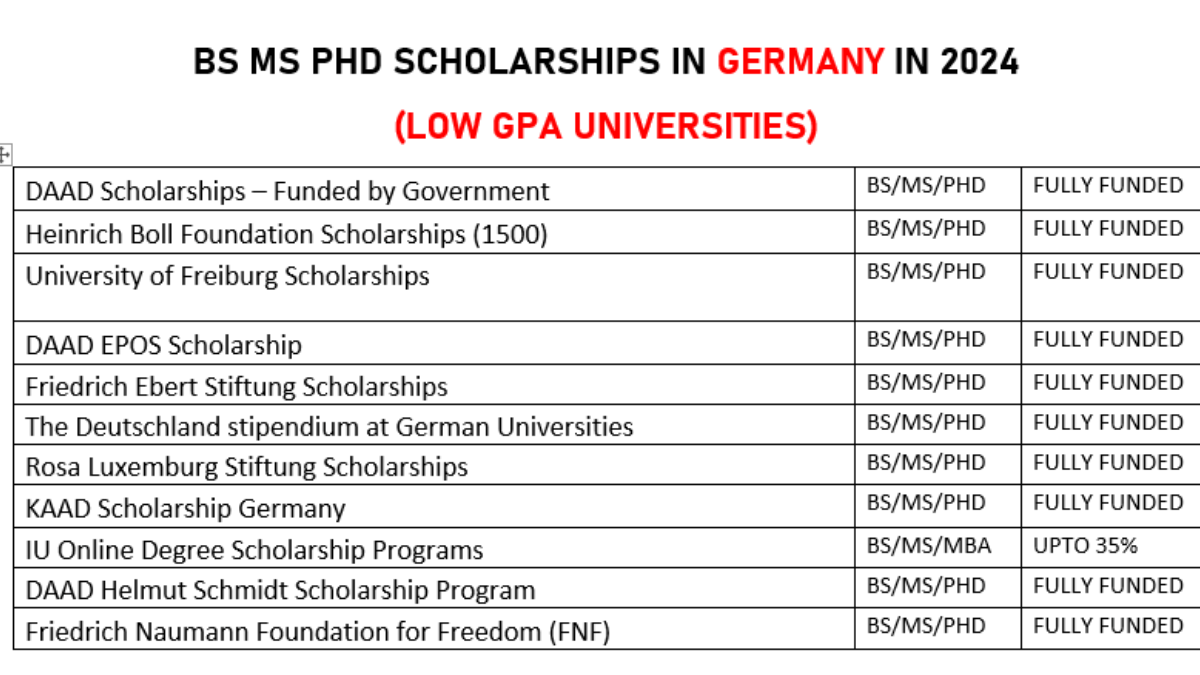
BS MS PhD Scholarships in Germany in 2024 (Fully Funded)

CAP's Weekly Private Scholarship List Top 75 Scholarships for March 25

How to Win Elks Most Valuable Student Scholarship in 2024

Top Highest Paid Scholarship Grants for International Students Joppad

Top 10 highest paid scholarships for international students 2022 2023

How to Get Paid to Go to School 18 Ways to Get Paid to Attend College

How do Scholarships Work? Everything You Need to Know College Ave

Study In The USA For Free Fully Funded Scholarships (2025)
Indian Government is offering over 150 scholarships to Sri Lankan

(600 Seats of Scholarships)for international and Domestic students 2022
How Much Have You Paid For It?“How Much Have You Paid For It” Sounds More Like You Have Paid For Part Of The Sum But Not All Of It And Someone’s Asking How You Much You Paid So They Can.
What Language Do You Speak?
Paypay Is Before You Buy It Paid Is After You Buy It|I Need To Pay.
Your Efforts Paid Off/Were Paid Off.
Related Post: