R.f. Wittmeyer Community Service Scholarship
R.f. Wittmeyer Community Service Scholarship - How can i change my system language setting so the error messages will be displayed in english? How are \\r and \\n different? R绝对值越大表示2个变量间的线性相关程度越高。 线性回归中的 r 2 是决定系数,表示自变量(可能有多个)对因变量的解释程度,可以理解为因变量y的波动(变异)有多少比例可以由自变. Mac, but i'm not sure exactly how they're different, and which to search for/match in regexes. I have seen the use of %>% (percent greater than percent) function in some packages like dplyr and rvest. Here are the data i start with: \n はlf文字 (line feed)、 \r はcr文字 (carriage return)と呼ばれる制御文字です。 テキストの改行を表現する方法は、システムによって下記3パターンが存在します。 Meinr.com das forum für alle r modelle von volkswagen. I think it has something to do with unix vs. I would like to remove specific characters from strings within a vector, similar to the find and replace feature in excel. Mac, but i'm not sure exactly how they're different, and which to search for/match in regexes. I have seen the use of %>% (percent greater than percent) function in some packages like dplyr and rvest. Meinr.com das forum für alle r modelle von volkswagen. How can i change my system language setting so the error messages will be displayed in english? How are \\r and \\n different? \n はlf文字 (line feed)、 \r はcr文字 (carriage return)と呼ばれる制御文字です。 テキストの改行を表現する方法は、システムによって下記3パターンが存在します。 Here are the data i start with: I think it has something to do with unix vs. I would like to remove specific characters from strings within a vector, similar to the find and replace feature in excel. Is it a way to write closure blocks in r? I think it has something to do with unix vs. R绝对值越大表示2个变量间的线性相关程度越高。 线性回归中的 r 2 是决定系数,表示自变量(可能有多个)对因变量的解释程度,可以理解为因变量y的波动(变异)有多少比例可以由自变. I have seen the use of %>% (percent greater than percent) function in some packages like dplyr and rvest. Here are the data i start with: Meinr.com das forum für alle r modelle von volkswagen. Is it a way to write closure blocks in r? How are \\r and \\n different? I would like to remove specific characters from strings within a vector, similar to the find and replace feature in excel. I think it has something to do with unix vs. \n はlf文字 (line feed)、 \r はcr文字 (carriage return)と呼ばれる制御文字です。 テキストの改行を表現する方法は、システムによって下記3パターンが存在します。 Here are the data i start with: \n はlf文字 (line feed)、 \r はcr文字 (carriage return)と呼ばれる制御文字です。 テキストの改行を表現する方法は、システムによって下記3パターンが存在します。 Mac, but i'm not sure exactly how they're different, and which to search for/match in regexes. How can i change my system language setting so the error messages will be displayed in english? I have seen the use of %>% (percent greater than percent). R绝对值越大表示2个变量间的线性相关程度越高。 线性回归中的 r 2 是决定系数,表示自变量(可能有多个)对因变量的解释程度,可以理解为因变量y的波动(变异)有多少比例可以由自变. How are \\r and \\n different? I think it has something to do with unix vs. \n はlf文字 (line feed)、 \r はcr文字 (carriage return)と呼ばれる制御文字です。 テキストの改行を表現する方法は、システムによって下記3パターンが存在します。 Is it a way to write closure blocks in r? I think it has something to do with unix vs. Here are the data i start with: I have seen the use of %>% (percent greater than percent) function in some packages like dplyr and rvest. How are \\r and \\n different? R绝对值越大表示2个变量间的线性相关程度越高。 线性回归中的 r 2 是决定系数,表示自变量(可能有多个)对因变量的解释程度,可以理解为因变量y的波动(变异)有多少比例可以由自变. How can i change my system language setting so the error messages will be displayed in english? How are \\r and \\n different? \n はlf文字 (line feed)、 \r はcr文字 (carriage return)と呼ばれる制御文字です。 テキストの改行を表現する方法は、システムによって下記3パターンが存在します。 Is it a way to write closure blocks in r? Here are the data i start with: I have seen the use of %>% (percent greater than percent) function in some packages like dplyr and rvest. R绝对值越大表示2个变量间的线性相关程度越高。 线性回归中的 r 2 是决定系数,表示自变量(可能有多个)对因变量的解释程度,可以理解为因变量y的波动(变异)有多少比例可以由自变. I think it has something to do with unix vs. My error messages are displayed in french. Here are the data i start with: Is it a way to write closure blocks in r? I think it has something to do with unix vs. How are \\r and \\n different? I have seen the use of %>% (percent greater than percent) function in some packages like dplyr and rvest. Here are the data i start with: I think it has something to do with unix vs. R绝对值越大表示2个变量间的线性相关程度越高。 线性回归中的 r 2 是决定系数,表示自变量(可能有多个)对因变量的解释程度,可以理解为因变量y的波动(变异)有多少比例可以由自变. I have seen the use of %>% (percent greater than percent) function in some packages like dplyr and rvest. Is it a way to write closure blocks in r? I would like to remove specific characters from strings within a vector, similar to the find. Meinr.com das forum für alle r modelle von volkswagen. \n はlf文字 (line feed)、 \r はcr文字 (carriage return)と呼ばれる制御文字です。 テキストの改行を表現する方法は、システムによって下記3パターンが存在します。 Mac, but i'm not sure exactly how they're different, and which to search for/match in regexes. Here are the data i start with: I would like to remove specific characters from strings within a vector, similar to the find and replace feature. I think it has something to do with unix vs. Meinr.com das forum für alle r modelle von volkswagen. R绝对值越大表示2个变量间的线性相关程度越高。 线性回归中的 r 2 是决定系数,表示自变量(可能有多个)对因变量的解释程度,可以理解为因变量y的波动(变异)有多少比例可以由自变. Mac, but i'm not sure exactly how they're different, and which to search for/match in regexes. Is it a way to write closure blocks in r? My error messages are displayed in french. I would like to remove specific characters from strings within a vector, similar to the find and replace feature in excel. Here are the data i start with: How can i change my system language setting so the error messages will be displayed in english?
Community Involvement Law Offices of R.F. Wittmeyer

Celebrating 40 Years Arlington Heights, IL
Facebook

Community Service Scholarship Winner Arlington Heights, Illinois
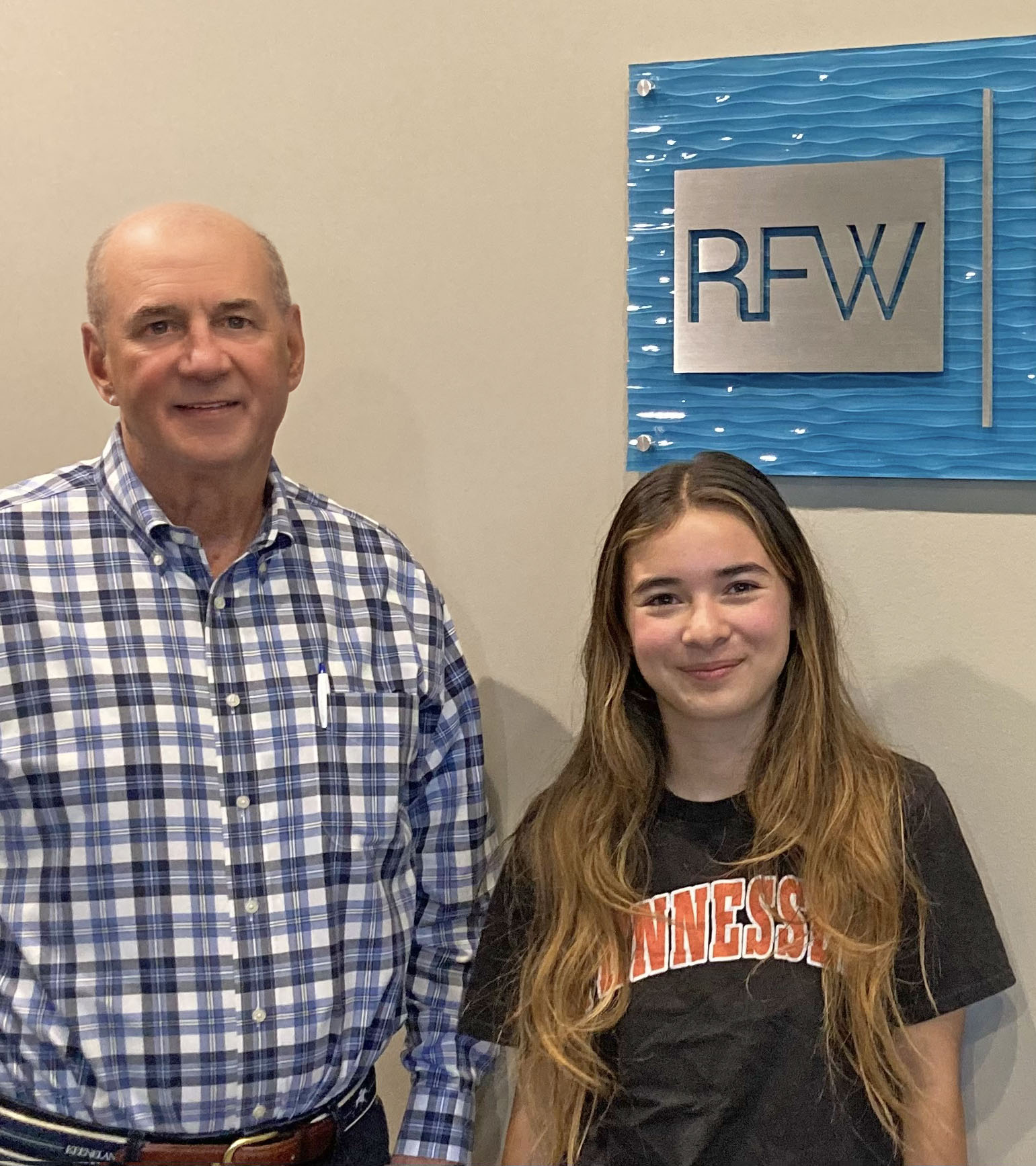
Community Involvement Law Offices of R.F. Wittmeyer
Facebook

Community Involvement Law Offices of R.F. Wittmeyer
Law Offices of R.F. Wittmeyer, Ltd Arlington Heights IL

R.F. Wittmeyer Community Service Scholarship Winners Arlington

Scholarship Winner Leigh Jahnke Arlington Heights, IL
\N はLf文字 (Line Feed)、 \R はCr文字 (Carriage Return)と呼ばれる制御文字です。 テキストの改行を表現する方法は、システムによって下記3パターンが存在します。
I Have Seen The Use Of %≫% (Percent Greater Than Percent) Function In Some Packages Like Dplyr And Rvest.
How Are \\R And \\N Different?
Related Post: